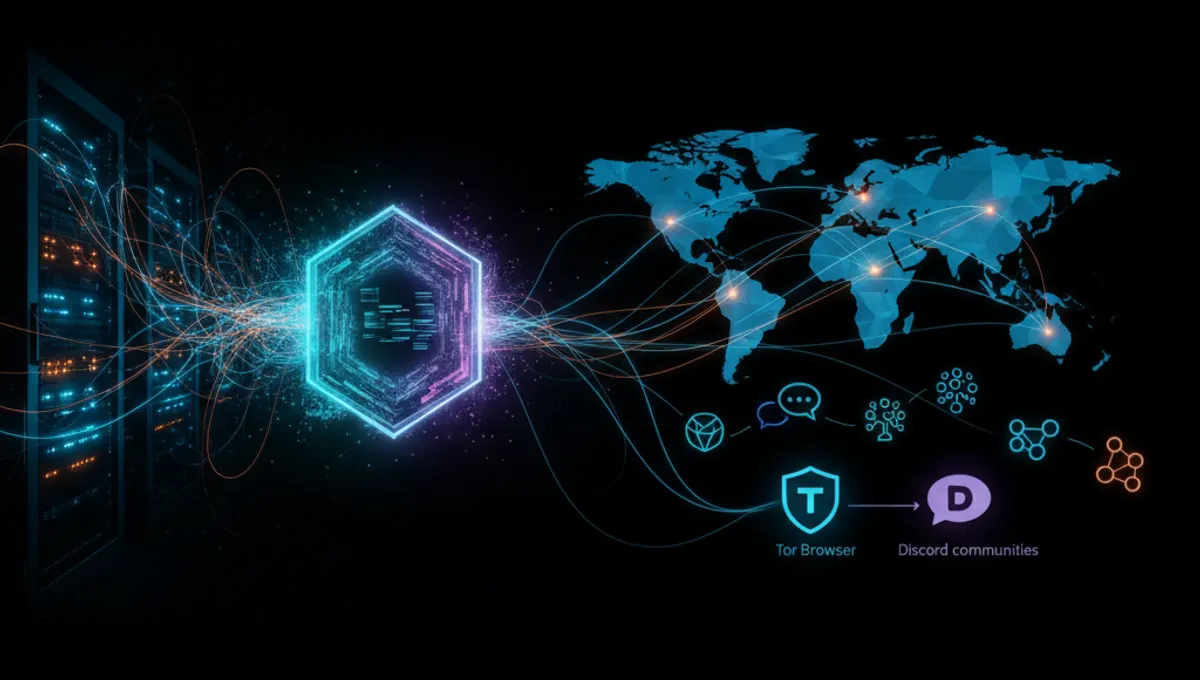
What Are Tor Browser Forum Links
Tor forum links are .onion addresses hosting discussion boards accessible only through Tor Browser. These communities range from technical support forums to general discussion spaces. Unlike clearnet forums, Tor-based forums don't require traditional registration with email addresses, though many implement alternative verification methods. Forum links change periodically due to security practices or administrative decisions, making current directories essential for users seeking active communities. The Tor Project itself maintains official communication channels, while independent communities host their own discussion platforms. Access requires Tor Browser and awareness of which forums remain actively moderated versus abandoned.
How to Access Tor Forum Links Safely
Start by launching Tor Browser and ensuring it connects successfully. Navigate to the address bar and enter a known .onion forum address. Before posting or creating an account, review the forum's rules and moderation policies. Use a unique username unrelated to your other online identities. Enable JavaScript protections in Tor Browser settings (they're on by default). Never maximize your browser window, as this can reveal screen resolution data. Disable plugins and extensions unless absolutely necessary. Consider using a VPN before connecting to Tor for additional network-layer protection, though this adds complexity. Test your anonymity by checking your IP address on a privacy-focused service before accessing sensitive forums. Keep Tor Browser updated to patch security vulnerabilities.
Finding Current Tor Forum Links
Active Tor forums are documented on community-maintained directories and verified link repositories. Check this site's Verified Market page for current forum addresses, as links change frequently. Search within Tor-based search engines for forum discussions, though results vary in reliability. Join smaller communities first to understand forum culture before participating in larger spaces. Look for forums with active moderation timestamps and recent posts. Avoid forums with excessive spam or no visible moderation activity. Many forums publish their rules and moderation logs publicly, signaling legitimacy. Cross-reference forum addresses across multiple sources before visiting. Be cautious of newly created forums with few members, as these may be honeypots or abandoned projects. Community recommendations on established platforms often point toward trustworthy discussion spaces.
Security and Anonymity Considerations
Never use the same username across multiple forums or platforms. Avoid sharing personal details, even seemingly innocuous information like your timezone or work schedule. Don't enable plugins or extensions that could leak your identity. Use a separate Tor Browser profile for each forum if you participate in multiple communities. Consider using Tails or Whonix for additional isolation when accessing sensitive forums. Combine Tor with a VPN only if you understand the trade-offs: a VPN can hide Tor usage from your ISP but may reduce anonymity if the VPN provider logs traffic. Never maximize your browser window, as this reveals screen resolution. Disable WebRTC in browser settings to prevent IP leaks. Be aware that forum administrators can see your Tor exit node IP, though not your real IP. Assume forum data could be compromised; never post information you wouldn't want exposed. Review forum privacy policies before creating accounts.
Common Mistakes When Using Tor Forum Links
Reusing usernames across forums creates linkable identities. Posting the same content on multiple platforms allows correlation attacks. Enabling plugins or extensions increases attack surface. Maximizing your browser window reveals screen resolution data. Logging into clearnet accounts while using Tor defeats anonymity. Sharing files without understanding their metadata risks. Trusting unverified forum links can lead to phishing or malware. Posting during consistent time windows allows timing-based correlation. Using real names or identifiable information in profiles compromises anonymity. Assuming Tor alone provides complete anonymity without understanding its limitations. Clicking external links without checking their destination first. Participating in forums while connected to your home network without a VPN adds ISP-level visibility. Not updating Tor Browser leaves you vulnerable to known exploits.
Types of Tor Forum Communities
Technical forums focus on Tor Browser configuration, security research, and privacy tool development. General discussion forums cover politics, philosophy, and current events with anonymity-focused perspectives. Support forums help users troubleshoot Tor connection issues and browser problems. Marketplace discussion forums facilitate peer-to-peer transactions and vendor reputation systems. Developer forums discuss onion service hosting, Tor protocol improvements, and cryptography. Language-specific forums serve non-English speaking communities. Niche interest forums cover topics ranging from privacy activism to digital security education. Moderated forums implement strict rules and active administration, while unmoderated spaces allow unrestricted discussion. Some forums require proof-of-work or invite systems to prevent spam. Others operate as open communities with minimal barriers to entry. Quality varies significantly; established forums with visible moderation tend to maintain higher standards.
Verifying Forum Legitimacy
Check for consistent moderation activity and recent posts. Review forum rules and moderation logs if publicly available. Look for administrator transparency about forum operations and security practices. Verify the forum address across multiple independent sources before visiting. Avoid forums with excessive spam, malware warnings, or suspicious requests for payment. Check if the forum has a documented history and established reputation within communities. Be cautious of forums that demand personal information or cryptocurrency payments for access. Look for forums that publish security advisories or updates about their infrastructure. Legitimate forums typically have clear contact methods for reporting abuse. Cross-reference forum recommendations on established privacy communities. Avoid forums with aggressive advertising or suspicious third-party links. Test forum functionality with minimal information before becoming an active participant.
Frequently asked questions
Are Tor forum links safe to access?
Tor forums are as safe as your operational security practices. Keep Tor Browser updated, use unique usernames, avoid sharing personal information, and never maximize your browser window. Combine Tor with a VPN if your threat model requires additional protection. Understand that forum administrators can see your Tor exit node, though not your real IP address.
How often do Tor forum links change?
Forum addresses change based on administrative decisions, security incidents, or planned migrations. Some forums remain stable for years, while others relocate frequently. Check verified directories regularly for current addresses. Subscribe to forum announcements or follow community channels for migration notices.
Can I use a VPN with Tor to access forums?
Yes, but understand the trade-offs. A VPN before Tor hides your Tor usage from your ISP but may reduce anonymity if the VPN provider logs traffic. Tor before a VPN is generally not recommended. Choose a no-log VPN provider if you decide to combine them, and understand your threat model before implementing this setup.
What should I avoid posting on Tor forums?
Never share real names, email addresses, phone numbers, or identifying details. Avoid posting the same content across multiple forums. Don't share files without understanding their metadata. Refrain from posting during consistent time windows. Don't enable plugins or extensions. Avoid logging into clearnet accounts while using Tor.
How do I find current Tor forum links?
Check this site's Verified Market page for current addresses. Search community-maintained directories and verified link repositories. Cross-reference addresses across multiple sources. Join established communities where members recommend trustworthy forums. Avoid newly created forums with few members or no visible moderation activity.